
Engineering a Carbon-Neutral Future.

Every Line of Code Leaves a Footprint.
In today’s digital landscape, inefficient systems don’t just slow operations; they consume energy at scale. Legacy-heavy architectures, redundant processing, and fragmented systems contribute to rising global energy demand.
At Safal, we believe the most effective path to sustainability is engineering efficiency at the source. By building lean architectures, enabling low-code ecosystems, and embedding predictive intelligence, we significantly reduce the energy load of modern enterprise systems, transforming performance optimization into environmental responsibility.
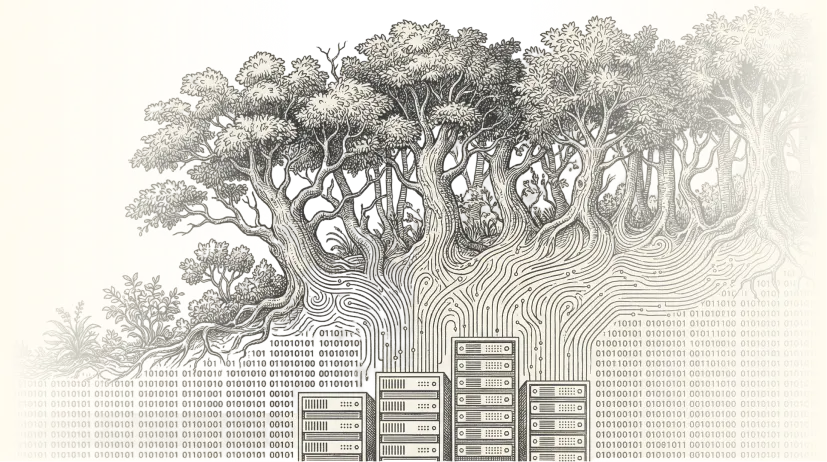
Time to Make the Switch
Transitioning from rigid legacy systems to intelligent, modular architectures doesn’t just improve performance; it directly reduces your carbon footprint.


The Cost of Bloated Code
Traditional enterprise systems are fragmented, resource-intensive, and inefficient. Redundant processes, heavy architectures, and excessive data loads increase computational demand, leading to higher energy consumption and operational inefficiencies.
This not only slows down performance but also creates hidden environmental and financial costs. Over time, these inefficiencies compound, impacting scalability, profitability, and long-term sustainability across digital infrastructure.
Efficient, Sustainable Scaling
Modern enterprise systems built on streamlined architectures are optimized for performance, efficiency, and scalability. By reducing redundancy, enabling intelligent workflows, and optimizing data processing, organizations can significantly lower computational load and energy consumption.
This results in faster execution, improved system reliability, and a reduced environmental footprint. With efficient scaling, businesses not only enhance performance but also build sustainable digital ecosystems that support long-term growth and operational resilience.
Time is our Ultimate Non-Renewable Resource.
Inefficient systems don’t just waste energy; they waste time, the most critical resource in modern enterprise. Legacy architectures slow innovation cycles, increase operational overhead, and create long-term sustainability challenges.
Safal is engineering a transition toward circular digital systems. By extending infrastructure lifecycles through intelligent automation, optimizing compute loads, and designing self-improving architectures, we enable enterprises to operate more efficiently and with reduced environmental impact.

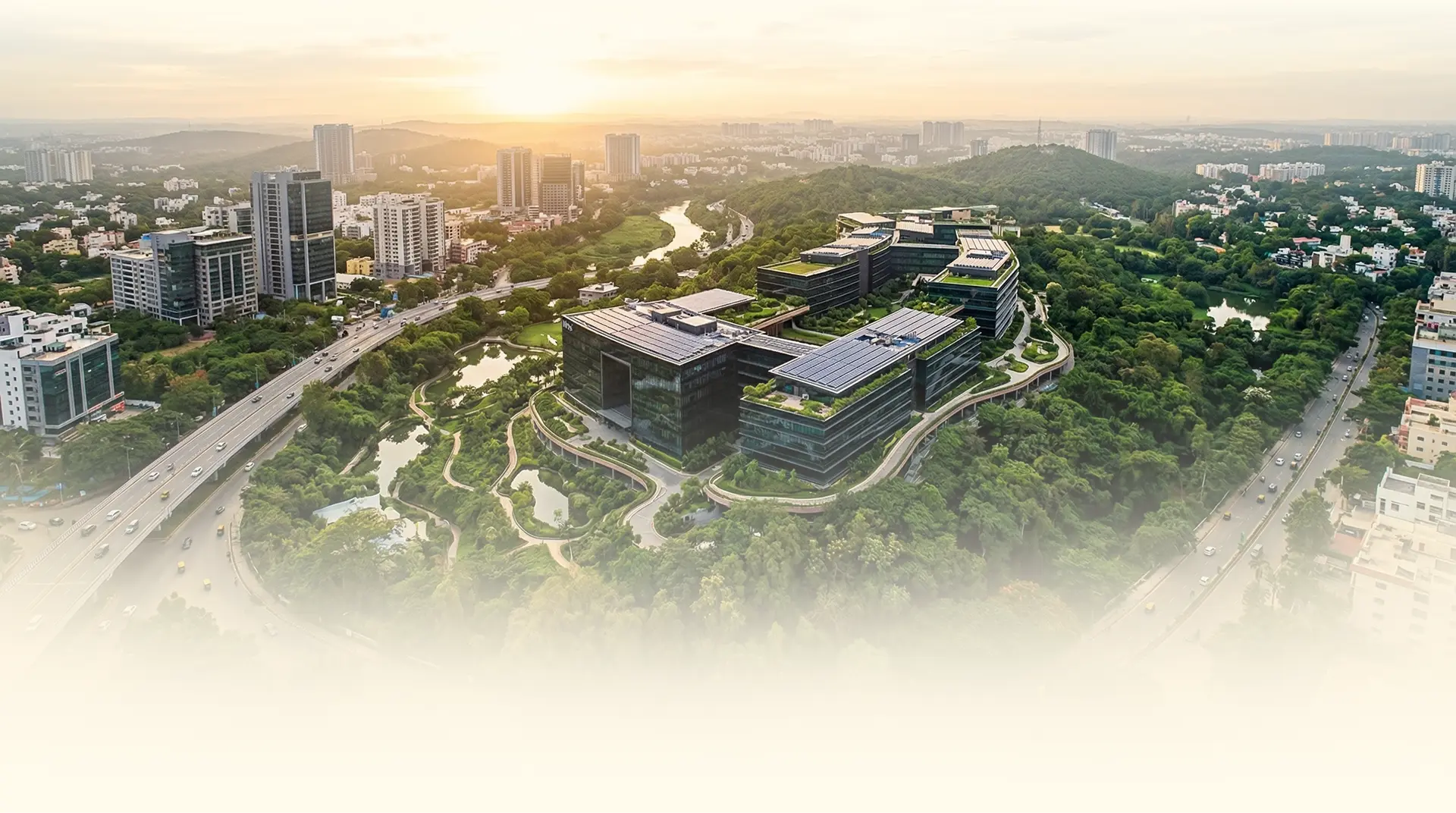
We Can Do More Than Co-Exist.
Safal Group is not just focused on reducing digital impact—we are building systems that actively contribute to a regenerative future.
We design intelligent ecosystems where technology, business, and environmental responsibility align, enabling enterprises to grow without compromise.